Tokyo Haneda HND
Tokyo’s 24-hour airport — but only one terminal really is.
Partly. The international terminal stays open all night and you can sleep there, but the two domestic terminals close for several hours and you will be asked to leave. If your onward flight is domestic, plan to overnight in Terminal 3 and move across in the morning.
Good to know
The two domestic terminals close overnight; only the international terminal stays open through the night.
If you land domestic late and fly international early, take the shuttle to Terminal 3 before the last connection rather than after.
Overnight food shrinks to a small handful of outlets, so buy something before the evening restaurants close.
Haneda has no night curfew on flights, unlike Narita — that is why it handles Tokyo’s red-eye traffic.
What to do here overnight
The moves that actually pay off between midnight and dawn.
Sleepability score
Airside vs landside
Haneda takes red-eye international traffic, so Terminal 3 stays open and staffed through the night on both sides of security. Airside after the last departures is thin: most shops and restaurants close, and only a small number of outlets stay open. The domestic terminals close overnight and are not an option, which is the single most important thing to know here. Inter-terminal transfers run by free shuttle and by the connected train stations, but both stop overnight, so a terminal change after the last train means a taxi on the airport perimeter road.
Where to sleep
Terminal 3 has a landside deck area with benches and floor space where overnight passengers gather, plus quieter corners on the upper levels away from the departure hall. There are no free nap pods or recliner zones of the kind you get in Seoul or Singapore, so expect a bench and your own inflatable pillow. For paid options there is an in-terminal hotel and capsule-style accommodation at Terminal 3, plus 24-hour shower rooms. Book the hotel ahead on a busy night; walk-up availability is unreliable.
Lounges, scored for sleeping
Haneda's lounges are efficient and clean and completely useless for an overnight, because every one of them shuts when the departure banks stop. The card lounge is a place to charge a phone, not to sleep. Put the money into a shower room or the in-terminal hotel instead.
The airport-run card lounge — functional seating, drinks, power. It keeps daytime hours and is not a place to sleep through the night.
Good showers and quiet zones if your ticket or status admits you. Opening hours track the departure banks rather than the clock.
Comfortable seating and showers, but again tied to flight schedules. Useful before an early departure, useless at 2am.
24-hour services
Terminal 3 keeps a small number of noodle counters and convenience outlets going through the night, which is more than Narita manages but far less than the daytime lineup suggests. The Edo-themed dining street closes with everything else. Buy dinner before the evening restaurants shut and you will not regret it.
By terminal
Domestic terminal, closed overnight. You will be moved out after the last flights and cannot wait here for a morning departure.
Domestic terminal with some international departures. Also closes overnight — do not plan to sleep here.
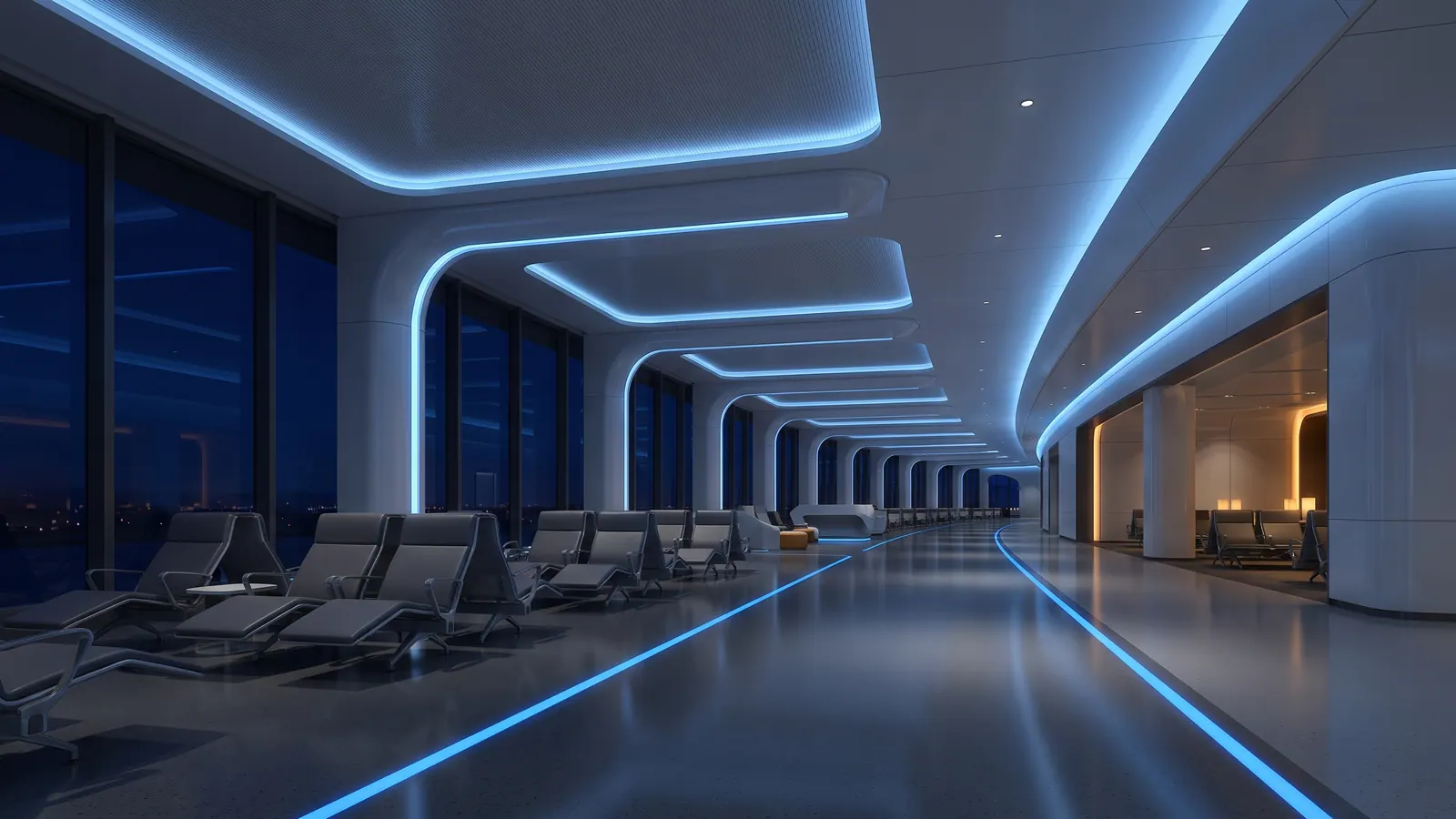
The international terminal and the only one open all night. Shower rooms, an in-terminal hotel and a few 24-hour food outlets.
Night transport
Both the Keikyu line and the Tokyo Monorail stop running around midnight and resume early morning, which is the defining constraint of a Haneda overnight. Limousine buses run late but not right through, and a taxi into central Tokyo is genuinely expensive. If you land after the last train, staying in Terminal 3 until first light is usually cheaper and more sensible than paying for a cab. Haneda is close enough to the city that the first morning train gets you central quickly.
Safety & solo travelers
Japan is exceptionally low-crime and Haneda is no exception — bags left briefly are not a realistic worry, and staff are present all night in Terminal 3. The main risk is discomfort, not danger.
Family & accessibility
Nursing rooms and family facilities are good, and the observation deck is a genuine hit with children in the evening. But with no reclining rest zones and hard benches, an overnight here with young kids is worth avoiding if you can shift flights.
Common questions
Can you sleep overnight in Haneda Airport?
You can sleep in Terminal 3, the international terminal, which stays open and staffed around the clock. The two domestic terminals close overnight and you will be asked to leave. There are no free reclining nap zones, so expect benches and floor space unless you pay for the in-terminal hotel or a capsule room.
Does Haneda Airport close at night?
The airport itself operates 24 hours and has no flight curfew, which is why it takes Tokyo’s red-eye traffic. But only Terminal 3 stays open to passengers through the night. Terminals 1 and 2 shut for several hours, and the connecting trains and shuttles stop too.
Does Haneda have showers?
Yes. Terminal 3 has pay-per-use shower rooms that operate through the night, separate from the airline lounge showers. They are clean, private and reasonably priced by Tokyo standards. Lounge showers are only useful if you have access and the lounge is open, which it usually is not overnight.
How do I get from Haneda to central Tokyo late at night?
The Keikyu line and the monorail both stop running around midnight and restart early morning. Late-night buses cover some routes but not right through the small hours, and a taxi into central Tokyo costs a great deal. For most people the practical answer is to wait in Terminal 3 for the first morning train.
Haneda or Narita for an overnight layover?
Haneda, without much argument. Its international terminal stays open all night, has shower rooms and an in-terminal hotel, and sits close enough to the city that the first train is a real option. Narita enforces a flight curfew and its terminals close overnight, which makes it a considerably worse place to be stuck.
Conditions change with construction and security policy. Always confirm time-sensitive details before you rely on them.